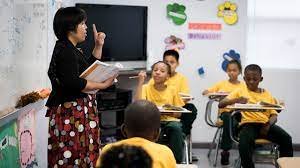
Remember back in the day when school felt like this grand adventure? I’d sit in my third-grade classroom, staring out the window, dreaming about what I’d do when I grew up. My teacher, Mrs. Jenkins, was this no-nonsense lady who made us memorize times tables like our lives depended on it. Fast forward a couple of decades, and I’m watching my nephew navigate high school. He’s buried under homework that seems more about ticking boxes than sparking curiosity. It got me thinking: is the education system really doing its job anymore? We’ve poured billions into it, yet kids are falling behind, parents are frustrated, and teachers are burned out. In this piece, I’ll unpack whether the system is effective, share some real stories, crunch the numbers, and explore ways to turn things around. No fluff—just honest insights from someone who’s seen the good, the bad, and the downright puzzling in education.
Let’s face it, the question “is the education system working?” hits home for a lot of us. Whether you’re a parent worried about your kid’s future or a recent grad drowning in student loans, it’s clear something’s off. Recent polls show a growing wave of doubt, and with good reason. But hey, it’s not all doom and gloom—there are bright spots and smart fixes out there. Stick with me as we break it down.
The Current State of the Education System
Picture this: classrooms buzzing with potential, but bogged down by outdated methods. As of 2025, the U.S. education system is grappling with post-pandemic fallout, where students are still playing catch-up. It’s like trying to sprint after a long nap—everyone’s eager, but the legs are wobbly. Public opinion isn’t kind either, with many feeling the system has lost its way.
Key Indicators of Effectiveness
Student performance metrics paint a mixed picture at best. Test scores in core subjects have dipped, and while some recovery is happening, it’s slower than hoped. Think of it as a car that’s running, but the check engine light won’t turn off. Parents and educators alike are calling for changes to make learning more relevant.
Public Perception and Polls
A recent Pew Research survey found that 70% of Americans believe the higher education system is heading in the wrong direction, up from 56% just five years ago. This sentiment cuts across party lines, though Republicans are more vocal about it. It’s heartbreaking when you hear stories like my friend’s daughter, who graduated college but feels unprepared for the real world—echoing what many say about job readiness.
Why Isn’t the Education System Working?
Deep-rooted issues are at play here, from funding woes to curriculum that’s stuck in the past. I’ve chatted with teachers who say they’re drowning in paperwork instead of inspiring kids. It’s no wonder motivation is low when the focus is on tests over true understanding.
Impact of the Pandemic
The COVID-19 disruptions hit hard, with kids losing ground in key areas. According to data, the average student is only halfway recovered, and gaps in reading and math have widened. My niece’s remote learning experience was a mess—she’d zone out during Zoom calls, and now she’s playing catch-up in math. It’s a wake-up call that we need better support for such crises.
Bureaucracy and Funding Challenges
Billions are spent, yet much goes to admin rather than classrooms. In some states, class sizes balloon while resources shrink. It’s like throwing money at a leaky boat without patching the holes—ineffective and frustrating for everyone involved.
Outdated Curriculum and Teaching Methods
We’re still teaching like it’s the industrial age, prepping kids for jobs that might not exist. With AI on the rise, why aren’t we emphasizing critical thinking more? A buddy of mine, a tech engineer, laughs about how school never taught him problem-solving— he learned that on the job.
Comparing the U.S. Education System to Global Peers
When you stack the U.S. against countries like Finland or Singapore, the differences are stark. Their systems prioritize teacher autonomy and less testing, leading to better outcomes. It’s humbling to see how we’re lagging in international rankings.
Strengths of Top-Performing Countries
Finland’s approach, with shorter school days and more play, boosts creativity. Singapore excels in math through rigorous, focused training. We’ve got diversity and innovation here, but we could borrow a page from their books.
Where the U.S. Falls Short
PISA scores show U.S. students middling in reading and science. Funding inequality between districts widens gaps, unlike more equitable systems abroad. It’s like racing with one shoe off—possible, but not optimal.
| Aspect | U.S. Education System | Finland’s Education System | Singapore’s Education System |
|---|---|---|---|
| Teacher Training | Varies by state, often short programs | Extensive, master’s level required | Rigorous selection and ongoing development |
| Student-Teacher Ratio | Average 16:1, higher in underfunded areas | Around 12:1, more personalized attention | About 15:1, with focus on quality |
| Standardized Testing | Heavy emphasis, high-stakes exams | Minimal, focuses on holistic assessment | Frequent but integrated with curriculum |
| Learning Outcomes | Declining in math/reading per NAEP | Top in PISA for equity and skills | Leads in math/science globally |
| Innovation Focus | Growing with STEM, but inconsistent | High on creativity and well-being | Strong on practical skills and tech |
Pros and Cons of the Current Education System
Every system has its ups and downs, right? On the plus side, it’s accessible to most and fosters social skills. But the cons? They’re piling up, from inequality to burnout.
Pros
- Widespread access: Public schools serve millions, promoting equality.
- Diverse opportunities: Extracurriculars build well-rounded kids.
- Community building: Schools are hubs for social interaction and support.
Cons
- Inequality: Zip code determines quality, leaving some kids behind.
- Overemphasis on testing: Stifles creativity, as one teacher told me, “It’s all about scores, not souls.”
- Teacher shortages: Low pay and high stress lead to turnover, hurting consistency.
How to Improve the Education System
Change won’t happen overnight, but small steps can make a big difference. Start with empowering teachers and updating curricula—it’s like giving the system a much-needed upgrade.
Innovative Teaching Approaches
Shift to project-based learning to engage kids. Tools like Khan Academy offer free, personalized lessons—perfect for supplementing school. My neighbor’s son thrived on it during lockdowns.
Policy Reforms and Funding
Advocate for equitable funding and less bureaucracy. States like Massachusetts show success with invested resources. Where to get involved? Check out sites like ed.gov for policy updates.
Best Tools for Enhancing Learning
- Khan Academy: Free videos and exercises for all subjects.
- Duolingo: Fun language learning app.
- Google Classroom: Streamlines assignments for teachers and students.
People Also Ask
Here are some real questions folks are searching on Google about the education system’s effectiveness:
- Is the education system working properly? Many say no, citing outdated methods and poor outcomes.
- What changes to the U.S. education system are needed? Focus on equity, updated curricula, and better teacher support.
- Is American education effective? It works for some with strong home support, but overall, it’s struggling.
- Our education system is losing relevance—how to update it? Emphasize skills like critical thinking and tech integration.
FAQ
What is the main problem with the education system today?
The core issue is its failure to adapt to modern needs, leading to declining skills in areas like reading and math. Pandemic losses haven’t fully recovered, widening gaps.
How can parents help improve their child’s education?
Get involved—volunteer, use apps like Khan Academy, and advocate for better policies. My sister started a parent group that pushed for more STEM funding locally.
Is homeschooling a better alternative?
It can be, offering flexibility, but requires dedication. Pros: tailored learning; cons: less socialization. Check resources at hsl.org for guidance.
What are the best online tools for learning?
Platforms like Coursera for advanced courses or ABCmouse for young kids. They’re affordable and engaging—great for supplementing traditional school.
How does the U.S. rank globally in education?
We’re mid-pack in PISA tests, behind leaders like Singapore. Focus on innovation could help us climb.
Wrapping this up, the education system isn’t entirely broken, but it’s creaking under pressure. From my chats with educators to the hard data, it’s clear we need action. Imagine a future where kids like my nephew graduate ready to tackle anything—that’s worth fighting for. If we prioritize real learning over rote routines, we can make it happen. What do you think—share your stories in the comments. For more on education reforms, check our guide to alternative learning options or visit Pew Research for the latest polls.