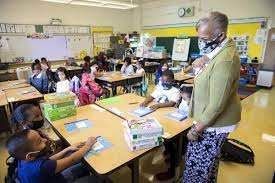
I still remember my high school days like they were yesterday. Sitting in a stuffy classroom, memorizing facts for exams that felt pointless, I often wondered if this was really preparing me for the real world. Then came that one teacher who changed everything—she encouraged us to question, debate, and apply what we learned to our own lives. It wasn’t just about grades; it was about building confidence and skills that stuck with me long after graduation. That’s the essence of empowering education: it’s not a temporary phase but a lifelong journey that shapes who we become. And honestly, if education doesn’t light that inner fire, what’s the point? Let’s dive into why this kind of learning truly empowers us for life.
What is Empowering Education?
Empowering education goes beyond rote learning; it’s about giving people the tools to think critically, solve problems, and take charge of their futures. Drawing from thinkers like John Dewey, who said education is life itself, this approach focuses on real-world application rather than just theory. It’s the kind of learning that builds resilience and adaptability in an ever-changing world.
The Core Meaning Behind It
At its heart, empowering education means fostering agency and self-directed growth. It’s not about filling minds with facts but igniting curiosity that lasts a lifetime. Think of it as equipping someone with a compass rather than a map—they learn to navigate life’s twists on their own.
How It Differs from Traditional Methods
Traditional education often emphasizes exams and compliance, while empowering education prioritizes personal development and social awareness. This shift can feel liberating, like finally breaking free from a script you’ve been reading all your life. It encourages students to see learning as a personal adventure.
The Importance of Education in Life
Education isn’t just a stepping stone; it’s the foundation for a fulfilling existence. It opens doors to better opportunities, healthier choices, and stronger communities, as seen in global efforts by organizations like UNESCO. Without it, we’re like ships without sails, drifting aimlessly in a vast ocean.
Role in Personal Growth
From boosting self-esteem to sharpening decision-making, education molds us into better versions of ourselves. I once mentored a young adult who, through online courses, turned a hobby into a career—it was emotional watching that transformation. It’s proof that learning fuels inner strength.
Impact on Society
Empowered individuals create ripple effects, driving innovation and equality in their communities. History shows us examples like Malala Yousafzai, who fought for girls’ education and inspired millions. It’s heartwarming how one person’s learning journey can uplift entire groups.
Benefits of Lifelong Learning
Lifelong learning keeps our minds sharp and our spirits alive, preventing stagnation in a fast-paced world. Research highlights how it enhances cognitive health and even reduces stress levels. It’s like a mental workout that pays dividends in every aspect of life.
Key Advantages for Career and Health
Committing to ongoing education can lead to job security and higher earnings, while also improving mental well-being. Studies show learners often report lower anxiety and better sleep— who knew hitting the books could be a form of self-care? It’s a win-win for body and mind.
Emotional and Social Perks
Building networks and discovering new passions through learning fosters deeper connections and a sense of purpose. I’ve seen friends reignite old interests in mid-life, leading to happier, more balanced lives. It’s touching how education can mend the soul.
Here are some pros and cons of embracing lifelong learning:
Pros:
- Boosts adaptability in changing job markets.
- Enhances self-confidence and motivation.
- Improves cognitive function and memory.
- Fosters meaningful relationships and networks.
- Contributes to a more informed society.
Cons:
- Can be time-consuming alongside daily responsibilities.
- May involve costs for courses or materials.
- Risk of information overload if not managed well.
- Requires self-discipline to stay consistent.
- Not always immediately rewarding in tangible ways.
Real-Life Examples of Empowering Education
Stories from around the world illustrate how this education transforms lives. For instance, programs in developing countries teach practical skills like farming techniques, empowering communities to thrive independently. It’s inspiring to see knowledge turn vulnerability into strength.
A Personal Anecdote
Years ago, I took a community college class on public speaking that changed my shy demeanor forever. What started as nerves ended in leading workshops—proof that empowering education can unlock hidden potentials. And let’s be honest, conquering that fear felt better than any A+ ever could.
Global Success Stories
Look at initiatives like Khan Academy, where free resources have helped millions learn at their own pace. One user shared how it helped them switch careers mid-life, adding a humorous twist: “I went from clueless to coding wizard!” These tales show education’s universal power.
Traditional vs. Empowering Education: A Comparison
To understand the shift, let’s compare the two approaches side by side. Traditional methods often focus on standardization, while empowering ones emphasize individuality and real-world relevance.
| Aspect | Traditional Education | Empowering Education |
|---|---|---|
| Focus | Memorization and exams | Critical thinking and application |
| Student Role | Passive recipient | Active participant |
| Outcome | Short-term knowledge | Lifelong skills and confidence |
| Teacher Role | Authority figure | Facilitator and mentor |
| Flexibility | Rigid curriculum | Adaptable to personal needs |
This table highlights why many are advocating for more empowering models today.
Where to Get Empowering Education
Finding the right resources is easier than ever with online platforms and local programs. Start with sites like Coursera or edX for flexible courses from top universities. Community centers often offer workshops too—check your local library for free options.
Online Platforms and Courses
Websites such as Khan Academy provide free, self-paced learning on countless topics. For more structured paths, consider UNESCO’s education resources or internal links like our guide on starting lifelong learning. It’s all about accessibility.
Local and Community Options
Don’t overlook in-person opportunities; adult education centers or vocational schools offer hands-on empowering programs. I found a local coding bootcamp that was life-changing—sometimes the best education is right in your neighborhood.
Best Tools for Lifelong Education
For those ready to dive in, several tools make learning engaging and effective. Apps like Duolingo for languages or Trello for organization can transform how you approach education. Choose ones that fit your style for the best results.
Top Recommendations
- Duolingo: Fun, gamified language learning that’s addictive in a good way.
- Coursera: Access courses from Ivy League schools at your pace.
- Khan Academy: Free videos on math, science, and more—perfect for all ages.
- Notion: Organize notes and track learning progress seamlessly.
- TED Talks App: Inspiring talks to spark curiosity on the go.
These tools blend technology with empowerment, making education a daily habit.
People Also Ask
What does education for life mean?
Education for life refers to learning that extends beyond school, equipping individuals with skills for personal and professional growth. It’s about adaptability and real-world application, not just academic success. As John Dewey noted, it’s life itself.
Why is education important in life?
Education builds knowledge, confidence, and opportunities, leading to better jobs and healthier lives. It empowers decision-making and fosters empathy in society. Without it, personal potential often remains untapped.
What is the role of education in human life?
It shapes character, promotes critical thinking, and drives social progress. Education helps navigate challenges and contributes to community well-being. It’s a lifelong tool for fulfillment.
What is the famous quote about education and life?
“Education is not preparation for life; education is life itself” by John Dewey captures this perfectly. It reminds us learning is ongoing.
Is education the key to success in life?
While not the only key, it’s a major one—opening doors to opportunities and resilience. Combined with effort, it paves the way for achievement.
FAQ
What is the difference between empowering education and standard schooling?
Empowering education focuses on student agency and life skills, unlike standard schooling’s emphasis on tests. It builds independence for long-term success.
How can I start lifelong learning today?
Begin with free resources like podcasts or apps. Set small goals, like reading one article daily, and track progress to stay motivated.
Are there free tools for empowering education?
Yes, platforms like Khan Academy and YouTube offer no-cost courses. Libraries provide access too—explore our free resources page for more.
Why does empowering education lead to better life outcomes?
It develops critical thinking and adaptability, leading to career growth and personal satisfaction. Studies show lifelong learners often enjoy better health and happiness.
Can adults benefit from empowering education?
Absolutely—it’s never too late. Many find renewed purpose through evening classes or online programs, transforming mid-career slumps into exciting new paths.
In wrapping up, empowering education isn’t a buzzword; it’s a mindset that turns learning into a lifelong adventure. From my own experiences to global stories, it’s clear this approach builds not just knowledge, but empowered lives. So why not start today? Your future self will thank you—and who knows, it might even add a little extra joy along the way.