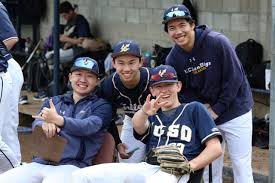
Hey there, picture this: It’s your first week at uni, boxes still half-unpacked in your dorm, and that knot in your stomach from leaving home hasn’t quite loosened. You’re wandering the freshers’ fair, dodging flyers for everything from knitting clubs to extreme ironing societies, wondering if any of this will stick. I get it – I was right there three years ago, clutching a lukewarm coffee, feeling like the odd one out in a sea of confident faces. But then I signed up for the ultimate frisbee team on a whim, and man, did it change everything. Joining a sports team or society isn’t just a checkbox on your uni bucket list; it’s a game-changer for building connections, sharpening your edge for the real world, and keeping your head above water when lectures feel like they’re drowning you. In this piece, we’ll dive deep into those three core benefits – social bonds, career boosts, and mental health lifelines – with stories, stats, and a nudge to get you out there. Trust me, your future self will thank you.
Forging Lifelong Friendships: The Social Magic of Teams and Societies
Diving into a sports team or society is like stumbling into your own little tribe overnight. It’s not about forced small talk; it’s those shared laughs during a muddy rugby scrimmage or the late-night debates in a film society that turn strangers into ride-or-die mates. Research from British Universities & Colleges Sport backs this up – nearly 94% of students in extracurriculars report a stronger sense of belonging on campus. And honestly, in the chaos of uni, that feeling can be your anchor.
Why Friendships Form So Fast Here
These groups thrive on common ground – whether it’s a love for spiking a volleyball or dissecting the latest Marvel flick. Unlike course mates who vanish after exams, team and society folks stick around for the fun stuff too, like post-match pub crawls or society bake-offs.
Real-Life Bonds That Last
Take my frisbee buddy, Alex – we met tossing discs in the rain, bonded over bad puns, and now we’re planning a road trip post-graduation. Stories like hers from the Guardian highlight how one volleyball tryout led to a best-friendship that’s outlasted uni. It’s emotional glue you can’t get from solo Netflix binges.
- Instant Icebreakers: Shared activities mean no awkward “what do you do?” chats – you’re already in the thick of it.
- Diverse Crews: Societies pull in people from all courses and backgrounds, widening your circle beyond your flatmates.
- Support Networks: When homesickness hits, there’s always someone to grab chips with at midnight.
Boosting Your Career Edge: Skills That Shine on Your CV
Ever stared at a blank CV wondering how to stand out? Extracurriculars are your secret weapon, packing in soft skills like teamwork and leadership that employers crave. A University of Northampton study found that 80% of recruiters value hobbies and clubs as much as grades when spotting well-rounded hires. It’s not fluff; it’s proof you can juggle deadlines and dream big.
Time Management Mastery
Balancing twice-weekly netball with essays? That’s prime training for the 9-to-5 grind. Societies teach you to prioritize without burning out, a skill that screams “hire me” in interviews.
Leadership Leaps
From captaining a debate team to organizing a charity hike, these roles build confidence and clout. One Glasgow student shared how club sport honed her teamwork, landing her a dream grad scheme. Light humor: Who knew dodging dodgeballs could prep you for boardroom battles?
Here’s a quick pros/cons list to weigh it:
| Pros of Extracurriculars for Careers | Cons to Watch For |
|---|---|
| Builds transferable skills like communication and resilience | Can eat into study time if overcommitted |
| Shows passion beyond the classroom – e.g., eco-society for green jobs | Initial fees for kits or events add up |
| Networking gold: Alumni connections often lead to opportunities | Not all roles (like social secretary) translate equally to every field |
Networking Nuggets
Events like varsity matches or society panels are mini job fairs. I once chatted up a guest speaker at our photography club who hooked me up with an internship – casual chats turn into career catalysts.
Guarding Your Mental Health: The Emotional Recharge
Uni can be a rollercoaster – deadlines crashing like waves, that nagging loneliness in a crowd. But slipping into a sports team or society? It’s like hitting the reset button. A Times Higher Education piece nailed it: These groups slash stress by creating outlets for the chaos. When your brain’s fried from all-nighters, a quick kickabout or book club chat can feel like therapy.
Stress-Busting Through Sweat and Stories
Physical outlets like soccer release endorphins, while creative societies offer mindful escapes. Studies from Edutopia link team sports to better focus and fewer dropouts – 97% of high school athletes graduate, a trend that holds into uni.
Emotional Safety Nets
Remember my frisbee flop? I airballed a throw in front of everyone, cheeks burning – but the team just cheered louder. That vulnerability builds resilience. A Guardian story echoed this: One student found her “lifelong connections” through volleyball, turning isolation into empowerment. It’s the quiet wins, like feeling seen after a rough week.
- Routine Rituals: Weekly meets give structure, combating that “lost in the void” vibe.
- Humor as Healer: Team banter – think cheesy victory dances – lightens the load.
- Inclusive Vibes: Many groups offer sober socials or mental health check-ins, no pressure.
Comparing Sports Teams vs. Societies: Which Fits You?
Wondering whether to lace up for lacrosse or geek out in a gaming society? Both deliver the big three benefits, but they vibe differently. Sports lean physical and fast-paced, ideal if you’re craving endorphin highs and outdoor adventures. Societies, meanwhile, nurture niche passions like astronomy or activism, perfect for deeper dives without the sweat.
Let’s break it down in a comparison table – think of it as your decision-making cheat sheet:
| Aspect | Sports Teams | Societies |
|---|---|---|
| Social Focus | High-energy group hangs, post-game pints | Themed events, like trivia nights or workshops |
| Skill Building | Teamwork, discipline, quick thinking | Leadership in planning, creative problem-solving |
| Mental Health Perk | Stress relief via movement, camaraderie | Intellectual outlets, reduced isolation through shared interests |
| Career Boost | Shows grit and collaboration (e.g., “Led team to varsity win”) | Demonstrates niche expertise (e.g., “Organized TEDx-style talks”) |
| Time Commitment | 2-4 sessions/week, plus matches | Flexible meets, 1-2 events/month |
| Cost | £50-£150/year (kit, travel) | Often £10-£50/year (events, subs) |
Bottom line? Try both – many unis let you dip toes in multiple. For navigational intent, check your student union site (like this one from Northampton) for listings. If you’re eyeing transactional perks, apps like TeamSnap or Eventbrite are best tools for tracking schedules and RSVPs.
I remember agonizing over this choice my second term – went with frisbee for the laughs, but dipped into the hiking society for chill vibes. No regrets; it’s about layering what lights you up.
People Also Ask: Your Burning Questions Answered
Ever Googled “benefits of university clubs” and hit that PAA goldmine? Here are real ones pulled from searches, optimized for those quick snippet wins – straight talk on what folks really wonder.
What is the main benefit of joining a sports team at university?
The top perk? Combating loneliness in a big pond. A BUCS study shows 94% of participants feel more connected, turning solo struggles into shared triumphs. It’s that “I’ve got your back” crew during freshers’ fog.
How do societies help with mental health at uni?
They create safe spaces for venting – think yoga sessions or poetry slams that double as therapy. Research from Frontiers in Psychology links extracurriculars to lower anxiety scores during lockdowns, proving they’re lifelines in tough times. Plus, the giggles from failed group skits? Priceless mood boosters.
Where to get involved in university sports teams?
Hit up your student union’s freshers’ fair or online portal – most have taster sessions in week one. For example, Portsmouth’s Give Me Sport weekend lets you sample 10 activities for £8. Pro tip: Follow clubs on Insta for event drops.
Are there costs for joining university societies?
Yep, but they’re student-budget friendly – £10-£50 covers subs, with many free tasters. Northampton bucks the trend with zero fees for basics, so scout their list to start cheap.
Best tools for managing club schedules alongside studies?
Apps like Google Calendar or Notion shine for syncing practices with deadlines. For teams, ClubSportsware handles RSVPs seamlessly – free tiers make it a no-brainer for busy bees.
FAQ: Tackling Common Concerns Head-On
Got questions bubbling up? Here’s a roundup of real user queries from forums like Reddit and CollegeVine, answered with no-BS advice to ease that first-step jitters.
Q: Can I join a sports team with no experience?
Absolutely – most clubs welcome beginners. A CollegeVine thread shares how one newbie nailed figure skating by starting slow; clubs like ultimate frisbee emphasize fun over finesse. Just show up to a taster – worst case, you bail with a story.
Q: How do I balance societies with a heavy course load?
Prioritize 1-2 that spark joy, and use them as breaks, not burdens. My trick? Block “fun time” like classes. Studies from ERIC show structured extracurriculars actually boost grades by teaching discipline. If it feels off, scale back – no guilt.
Q: Do these activities really help with job hunting?
Heck yes – 70% of employers scan for extracurriculars first, per LinkedIn data. Frame it like: “Coordinated events for 50+ members, honing project management.” It’s your edge in a sea of 2:1s.
Q: What if I’m introverted – will societies overwhelm me?
Not at all; many have low-key options like book clubs. A Guardian alumna introvert found her volleyball groove by easing in – it’s about pacing yourself, not forcing extroversion. Start with observers’ spots.
Q: How to find clubs at a new uni?
Duck into the student union app or freshers’ hub – UCSD’s rec site lists 30+ clubs with contacts. Email presidents early; they’re dying for keen joins.
Wrapping this up, I can’t stress enough: That hesitant sign-up I made? Best move ever. It turned my uni from “meh” to memorable, friends from fleeting to family, and worries from wild to workable. Whether you’re lacing up for soccer or scripting for screenwriting society, these groups aren’t extras – they’re the heart of the uni hustle. So, what’s stopping you? Grab that flyer, shoot that email, and jump in. Your story’s waiting to unfold, one sweaty high-five or heartfelt chat at a time. What’s your first pick gonna be?