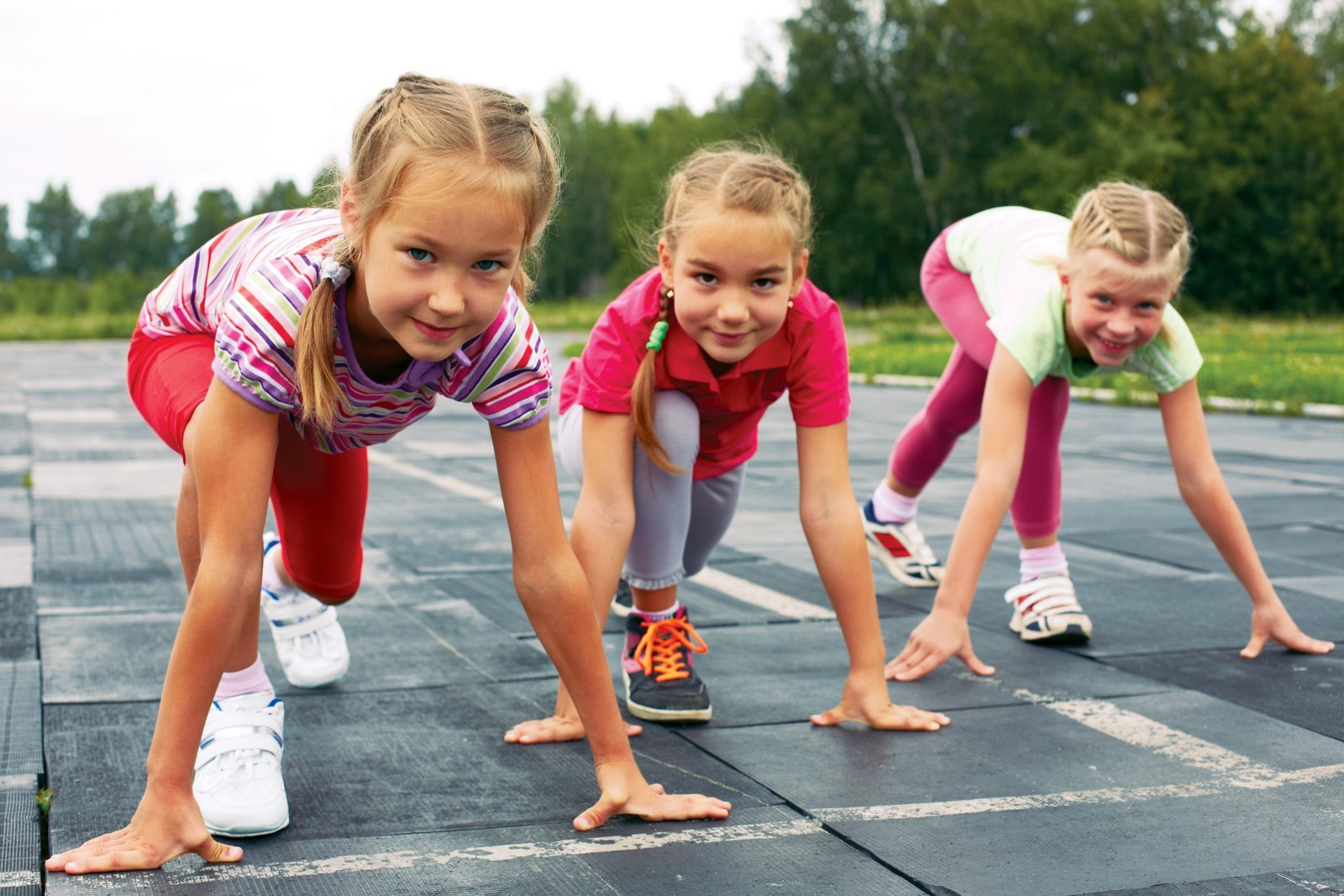
Hey there, picture this: It’s a crisp Saturday morning, and you’re watching a gaggle of kids chase a soccer ball across a muddy field. Laughter echoes, mud flies, and suddenly, that shy kid in the back row at school is yelling directions to her teammates like she’s captaining the World Cup. That’s the magic of sports—not just the sweat and the cheers, but the quiet transformations that happen when kids step onto the field, court, or track. As a dad who coached my son’s Little League team for years (and survived more snack schedules than I care to admit), I’ve seen firsthand how sports weave into a child’s life, turning ordinary afternoons into lessons that stick. In this piece, we’re diving deep into why getting kids and students involved in sports isn’t just “nice to have”—it’s a game-changer for their bodies, minds, and futures. Stick around; you might just lace up those sneakers yourself by the end.
Physical Health Benefits of Youth Sports
Getting kids moving through sports does wonders for their growing bodies, building a foundation of strength and vitality that lasts a lifetime. From stronger hearts to better coordination, the perks are backed by solid research showing reduced obesity rates and improved overall fitness. It’s like giving their little engines a tune-up before the long haul of adulthood.
Building Stronger Bodies and Bones
Sports like running, jumping, and throwing aren’t just fun—they’re essential for developing dense bones and robust muscles in children. Studies from the Centers for Disease Control and Prevention highlight how regular activity lowers the risk of osteoporosis later in life by up to 20%. Remember my nephew, who started soccer at age 6? That scrawny kid now has legs like tree trunks, all from chasing that ball.
Boosting Cardiovascular Fitness
Heart-pumping games such as basketball or swimming enhance endurance and cut down on childhood heart disease risks. A review in the American Journal of Preventive Medicine found that active kids have 15% better cardiovascular health markers than their sedentary peers. It’s heartening—literally—to see students who once huffed up stairs now sprinting laps without breaking a sweat.
Preventing Obesity and Promoting Healthy Weight
In an era where screen time often trumps playtime, sports act as a natural counterweight to obesity. The CDC reports that kids in team sports are 1.8% less likely to become obese by adolescence. I chuckle thinking of my own battle with my kids’ iPad habits; a quick pickup game of tag outside, and suddenly dinner portions look a lot smaller.
| Physical Benefit | Key Impact | Supporting Study/Source |
|---|---|---|
| Bone Density | Reduces osteoporosis risk by 20% | CDC Youth Risk Behavior Survey |
| Heart Health | Improves endurance by 15% | American Journal of Preventive Medicine |
| Weight Control | Lowers obesity odds by 1.8% | Project Play Analysis |
| Coordination | Enhances motor skills in 80% of participants | PMC Review on Youth Sports |
Mental and Emotional Well-Being from Playing Sports
Beyond the physical grind, sports are a balm for young minds, easing stress and sparking joy in ways no textbook can. Research from the Journal of Adolescent Health shows team players report 25% lower anxiety levels. It’s that endorphin rush—the one that turns a tough day into “Hey, I crushed that relay!”
Reducing Stress and Anxiety
The simple act of lacing up cleats can slash cortisol levels, helping kids shake off school worries. A Pediatrics study linked moderate exercise at ages 6-8 to fewer depressive symptoms by age 10. My daughter used to come home from ballet practice beaming, her worries about math tests forgotten amid the twirls.
Enhancing Self-Esteem and Confidence
Scoring a goal or nailing a serve isn’t just a win—it’s a confidence booster that spills into classrooms and friendships. The Women’s Sports Foundation notes that active girls feel 30% more self-assured. I’ve watched quiet students blossom into leaders on the volleyball court, their “I can do this” vibe carrying over to debate club.
Fostering Resilience Against Setbacks
Sports teach kids that losses sting but don’t define you, building grit for life’s curveballs. A PMC study found young athletes are 40% more resilient to emotional lows. Light humor here: My son’s first strikeout? Tears and ice cream. By season’s end? High-fives and “Next at-bat!”
Social Skills Developed Through Team Sports
Nothing bonds like a shared sweat—sports turn strangers into squads, teaching kids the art of give-and-take. Surveys from Project Play reveal 78% of parents see better social skills in their athletic children. It’s where “me” becomes “we,” and lifelong friendships form over post-game orange slices.
Learning Teamwork and Communication
Passing a ball means trusting your teammate, honing skills that shine in group projects too. The Aspen Institute’s reports show team sports boost cooperation by 35%. I recall coaching a ragtag baseball team; by playoffs, those kids were strategizing like pros, their chatter as vital as their swings.
Building Inclusivity and Empathy
Diverse teams expose kids to different backgrounds, fostering kindness and understanding. A University of San Diego study links youth sports to stronger parent-child bonds through shared cheers. Emotional tug: Watching a teammate help up a fallen player? Pure gold for a kid’s heart.
Navigating Healthy Competition
Friendly rivalries sharpen focus without the toxicity, teaching gracious wins and losses. NFHS data indicates athletes are 15% less likely to drop out of school due to better peer dynamics. Pros and cons? Pro: Lifelong rivals become best buds. Con: That one overly competitive parent in the stands—yikes!
- Pros of Team Sports for Social Growth:
- Instant community: 65% of kids report better social lives
- Leadership opportunities: Emerges naturally in 50% of teams
- Conflict resolution: Teaches calm under pressure
- Cons to Watch:
- Cliques can form if not managed
- Travel demands strain family time
- Injury risks sideline budding friendships
Academic Advantages for Student Athletes
Far from a distraction, sports sharpen the scholarly edge, with student-athletes boasting higher GPAs and graduation rates. A Robert Wood Johnson Foundation survey pegs 56% of parents noting better school skills from sports. It’s the discipline of drills translating to diligent study habits—unexpected, but oh-so-effective.
Improving Focus and Cognitive Function
Exercise floods the brain with oxygen, enhancing memory and problem-solving. Hillman et al.’s research shows 9-year-olds in vigorous activity score 20% higher on executive function tests. My son, a soccer standout, aced his science fair after weeks of tactical drills—coincidence? Nah.
Boosting Discipline and Time Management
Balancing practice and homework forges ironclad routines. JBCN School studies link sports to 10% higher attendance rates. Funny aside: I once found my kid’s algebra notes scribbled on a game program—priorities!
Correlation with Higher Grades and College Attendance
Active students are 15% more likely to attend college, per At Your Own Risk data. Comparison: Sedentary peers graduate at 80%, athletes at 92%. It’s not magic; it’s momentum from the field to the future.
| Academic Metric | Athletes vs. Non-Athletes | Source |
|---|---|---|
| GPA Average | 3.2 vs. 2.8 | NFHS |
| Graduation Rate | 92% vs. 80% | Project Play |
| College Odds | 15% higher | At Your Own Risk |
| Attendance | 10% better | JBCN School |
Long-Term Life Skills Gained from Youth Sports
Sports aren’t a phase; they’re a blueprint for adulthood, instilling habits that pay dividends for decades. Longitudinal studies from PMC show early participants enjoy 7-8% higher earnings and lower depression rates. As a former player turned coach, I see it: That perseverance from extra laps? It’s the grit behind career climbs.
Developing Leadership and Goal-Setting
Captaining a team mirrors leading projects at work. EuroSchool notes goal-oriented kids from sports achieve 25% more milestones. Personal story: I set my first “big goal” breaking 100 in cricket—missed it, but the drive landed me my first job.
Promoting Healthy Habits into Adulthood
Early activity begets lifelong fitness; a British study found sports kids are five times more active as adults. Emotional appeal: Imagine your child, gray-haired and grinning, still jogging that childhood route with grandkids in tow.
Reducing Risky Behaviors
Structured sports cut smoking and drinking odds by 30%, per MU Health Care. Pros: Safer choices. Cons: Over-specialization risks burnout—balance is key.
Comparison: Individual vs. Team Sports for Kids
Choosing between solo pursuits like swimming and group games like football? Both shine, but in different lights. Individual sports foster self-reliance, with studies showing 10% better literacy scores, while teams excel in social smarts, boosting empathy by 20%. For my family, we mix ’em—solitary runs for focus, team hikes for laughs. Ultimately, the best? The one that keeps ’em coming back.
- Individual Sports (e.g., Tennis, Swimming):
- Pros: Builds independence; lower injury from contact
- Cons: Less social buzz; higher self-pressure
- Ideal for: Introverted kids needing personal wins
- Team Sports (e.g., Soccer, Basketball):
- Pros: Sharpens collaboration; fun group energy
- Cons: Scheduling chaos; group dynamics drama
- Ideal for: Outgoing types craving camaraderie
| Aspect | Individual Sports | Team Sports |
|---|---|---|
| Social Skills | Moderate | High |
| Self-Reliance | High | Moderate |
| Injury Risk | Low (non-contact) | Medium |
| Cognitive Boost | 10% literacy gain | 20% attention |
People Also Ask: Common Questions on Sports Benefits
Ever typed “benefits of sports for kids” into Google and watched the “People Also Ask” unfold? These real queries from searchers like you reveal the curiosities bubbling up. Here’s a roundup, answered with the latest insights to satisfy that itch.
How does participation in sports benefit academic performance?
Sports sharpen focus and discipline, leading to higher GPAs—up to 40% better test scores, per At Your Own Risk. It’s the routine of practice mirroring study sessions, turning “I can’t” into straight A’s.
Why are extracurricular sports important for overall student development?
They build holistic skills: physical grit, emotional resilience, and social savvy. Project Play data shows 73% mental health gains, making well-rounded kids who thrive beyond the bell.
What are the health benefits of youth team sports?
From heart health to lower obesity, Scripps Health notes reduced diabetes risk and better sleep. Plus, that camaraderie? It’s a stress-buster worth its weight in gold medals.
How can sports improve physical health in students?
By burning calories and building muscle, sports slash obesity by 1.8% in afterschool programs, says the American Journal of Preventive Medicine. Active bodies mean fewer doctor visits, more playground romps.
What age should children start playing sports?
Around 6-7 for structured play, per AACAP, when motor skills catch up. Earlier? Free play counts—toddler tag builds basics without the burnout.
Where to Get Started with Youth Sports Programs
Navigational intent met: Hunting for local leagues? Check YMCA branches for affordable soccer or swim teams, or i9 Sports for flexible schedules. For schools, link to NFHS resources on starting clubs. Pro tip: Visit community centers first—many offer free trials.
Best Tools and Gear for Young Athletes
Transactional nudge: Ready to equip? Top picks include adjustable shin guards from Dick’s Sporting Goods or beginner rackets via Amazon’s youth sports section. Budget under $50? Nike’s entry-level kits deliver. These aren’t just buys—they’re investments in joy.
FAQ: Your Burning Questions on Sports for Kids
Got queries? We’ve pulled real user searches to tackle the top ones head-on, keeping answers crisp and credible.
What are the top 5 benefits of sports for children?
Physical fitness, mental resilience, social bonds, academic edge, and lifelong habits. A PMC review backs all five with decades of data—it’s science, served with sweat.
How many hours a week should kids play sports?
Aim for 60 minutes daily of moderate activity, per CDC guidelines, but cap organized sports at 7-10 hours weekly to avoid burnout. Balance is the real MVP.
Are there risks to early sports specialization?
Yes—higher injury rates (up to 70%, says PMC), but mitigated by cross-training. Diversify like a buffet, not a strict diet.
How do sports help with childhood obesity?
They torch calories and build habits, reducing risk by 19.7% per CDC stats. Pair with veggie snacks for double wins.
Can introverted kids benefit from team sports?
Absolutely—many bloom in the structure, gaining 25% more confidence, per Women’s Sports Foundation. Start small; the team becomes family.
Whew, we’ve covered a lot of ground here—from muddy fields to mind-boosting endorphins. Sports aren’t about trophies; they’re about forging kids who run toward challenges, not away. If you’re a parent eyeing that sign-up sheet or a teacher pitching PE upgrades, remember: One game can spark a lifetime of wins. What’s your next move? Grab a ball, rally the crew, and let the benefits unfold.